Step 1
On-Site Inspection and Diagnosis
We evaluate the full turf system — seams, edges, surface fiber condition, infill depth, and drainage behavior — and identify all active problems and any developing conditions that should be addressed.
Loading content...
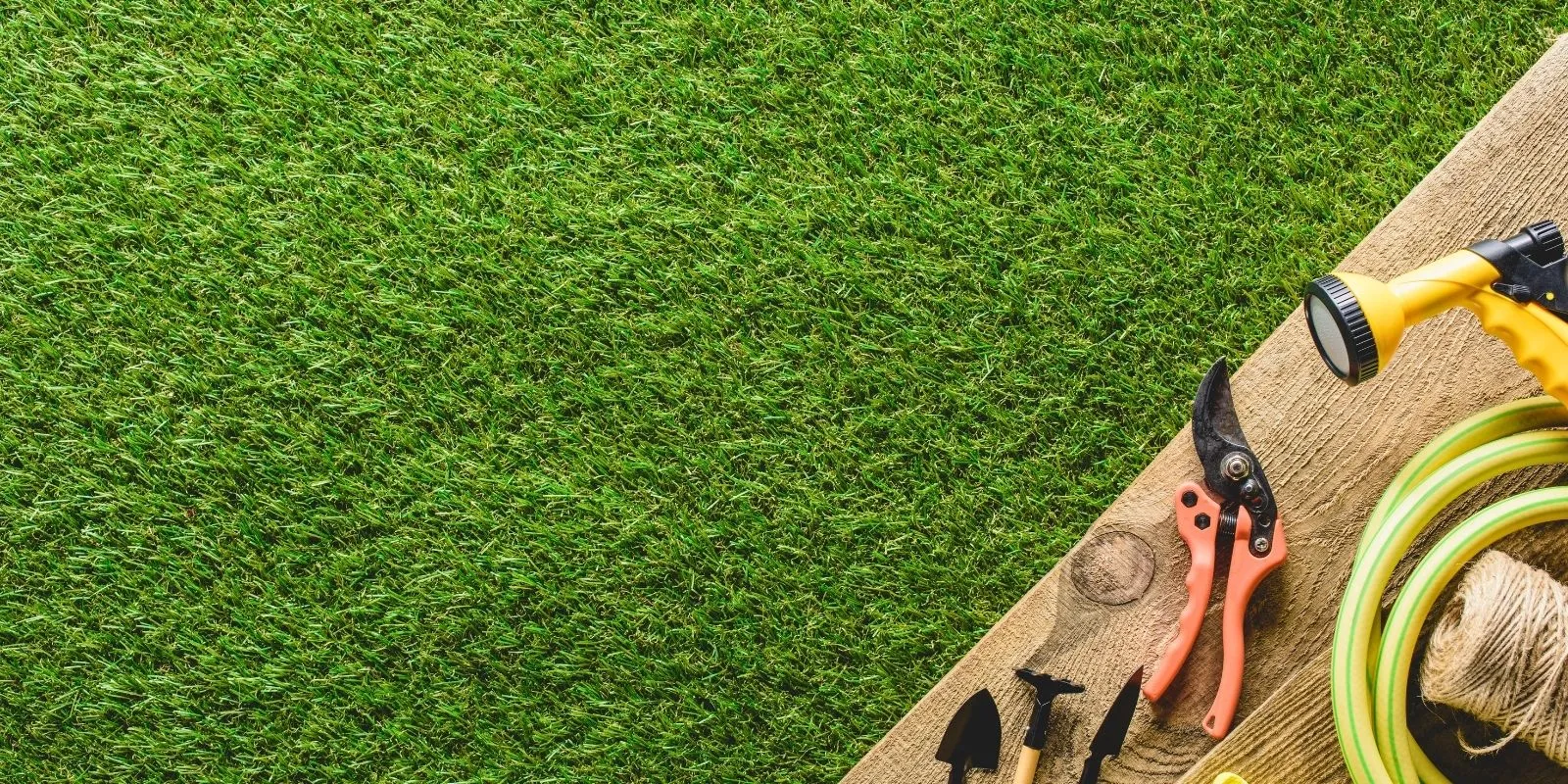
Turf repair and maintenance for Tomball properties — diagnostic assessment and corrective work for artificial turf systems that have developed drainage problems, seam failures, infill loss, or surface wear.
Turf repair and maintenance in Tomball addresses the inevitable performance changes that occur in artificial turf systems as they age, experience heavy use, or encounter the site-specific conditions that were not fully resolved during original installation. For the LSCT faculty households in Northpointe and Spring Creek, and the HCA Houston Healthcare Tomball employee families in Treeline and Wildwood, an existing turf installation that is no longer performing as expected creates the same kind of practical problem the original installation was meant to eliminate: an outdoor surface that requires attention and does not look or function the way it should. Turf repair and maintenance from Turf Installation of Tomball starts with accurate diagnosis. The most common performance problems in Tomball artificial turf installations fall into predictable categories: seam lift or separation caused by edge failure or material movement, infill displacement that creates uneven surface texture and height, drainage slowdown caused by infill compaction or base settling, surface fiber matting from concentrated foot traffic or pet activity, and edge transition failure where turf has separated from adjacent hardscape or borders. Each of these conditions has a specific corrective approach, and applying the wrong repair method creates additional problems rather than solving the original one. For seam failures, repair requires re-bonding with appropriate adhesive and treating the seam section that has lifted or separated. Simply pressing the seam down without adhesive treatment or backing preparation is not a repair — it delays the problem by days or weeks. For infill displacement, the corrective approach depends on where the infill has gone: surface grooming recovers displaced infill within the turf fiber layer, but infill that has migrated beyond the turf boundary requires material replacement to restore the original depth specification. Drainage slowdown in Tomball turf systems is often caused by organic material accumulation within the infill layer — leaves, debris, and biological matter that compound over time in the humid Houston climate. Periodic cleaning, either by rinsing or by vacuum extraction, restores drainage performance without requiring full infill replacement in most cases. For systems with compacted infill from heavy pet use, partial infill replacement with depth recalibration is the appropriate corrective scope. Turf Installation of Tomball also provides maintenance services for property managers and homeowners who want periodic professional inspection and care for larger turf installations — medical office courtyard surfaces, multifamily common areas, and commercial properties in the LSCT and HCA Tomball corridor that benefit from scheduled maintenance rather than reactive repair. Preventive maintenance on commercial installations significantly extends the useful life of the turf system and avoids the more costly repairs that develop when early warning signs are not addressed.
Turf repair and maintenance from Turf Installation of Tomball is diagnostic first — we assess what is actually wrong before proposing corrective work, so repair scopes address real problems rather than superficial symptoms.
Artificial turf systems are long-term property assets — most residential installations are designed for fifteen or more years of performance life. But reaching that lifespan requires addressing problems correctly when they develop rather than applying temporary fixes that delay the issue. Turf Installation of Tomball approaches repair work with the same diagnostic discipline applied to new installations: identify the actual cause, correct it with the appropriate method, and give the property owner accurate information about what to expect going forward. For LSCT faculty and HCA Tomball healthcare employees who invested in artificial turf specifically to reduce maintenance demands on their time, getting the repair right the first time is the only version that makes sense.
Primary local coverage includes Tomball, TX and surrounding communities.
Repair work starts with accurate diagnosis, not a generic quote. We assess the specific condition of your turf system before recommending corrective scope.
Step 1
We evaluate the full turf system — seams, edges, surface fiber condition, infill depth, and drainage behavior — and identify all active problems and any developing conditions that should be addressed.
Step 2
Based on the inspection findings, we outline the repair scope, explain the cause of each problem, and prioritize work based on functional impact and potential for further damage if left unaddressed.
Step 3
Repair work is completed systematically — seam repairs, infill restoration, drainage cleaning, and edge re-securing — with methods appropriate to each specific condition rather than generic treatments.
Step 4
After repair is complete, we verify drainage function, surface consistency, and seam and edge integrity. We provide updated care guidance based on the conditions that led to the repairs, to reduce recurrence.
Turf repair and maintenance in Tomball addresses the full range of residential, commercial, and institutional turf systems across the LSCT and HCA Tomball corridor.
Homeowners in Northpointe, Treeline, Spring Creek, and Wildwood with existing turf installations experiencing seam separation, edge lift, drainage slowdown, or surface matting from pet use.
Medical office facilities, multifamily property common areas, and commercial properties in the LSCT and HCA Tomball corridor benefit from scheduled maintenance to keep larger turf installations performing at commercial quality standards.
Pet turf zones experience the most intensive use and require more frequent maintenance attention. Drainage cleaning, antimicrobial infill replacement, and surface grooming are common pet turf maintenance scopes.
Repair and maintenance costs depend on what the inspection finds — the extent of the problem and the corrective method required, not a flat service rate.
A single failed seam section is a different scope from widespread infill displacement across a large installation area. Repair cost reflects the actual work required after diagnostic assessment.
If infill has been lost or contaminated beyond the point where grooming or cleaning restores it, material replacement is required. The volume of replacement material drives material cost.
Older turf systems with multiple concurrent problems may require more extensive repair scope. In some cases, repair cost approaches replacement cost, and we are direct about that comparison during the inspection.
Commercial properties that schedule regular maintenance visits catch problems earlier, when repair scope and cost are smaller. Reactive repair after extended deferred maintenance typically involves more corrective work than periodic maintenance would have.
Turf Installation of Tomball provides turf repair and maintenance services throughout the Tomball area including Northpointe, Spring Creek, Treeline, Wildwood, Old Town Tomball, and the full LSCT and HCA Tomball medical corridor, as well as surrounding communities including Magnolia, Pinehurst, Cypress, Spring, Klein, Hockley, Waller, The Woodlands, Willowbrook, Jersey Village, North Houston, Conroe, and Humble.
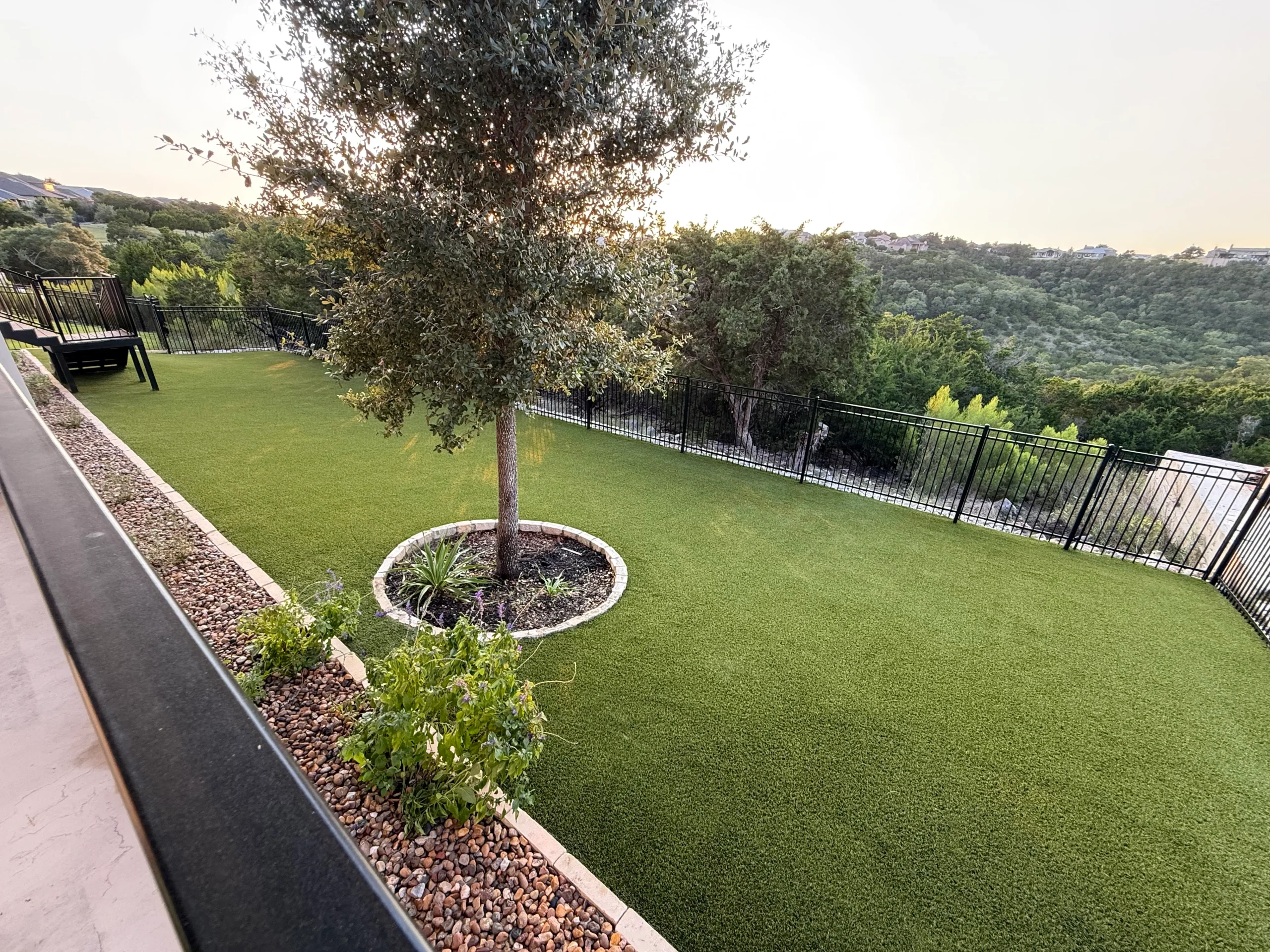
Complete synthetic turf installation for residential and commercial properties in Tomball, TX.
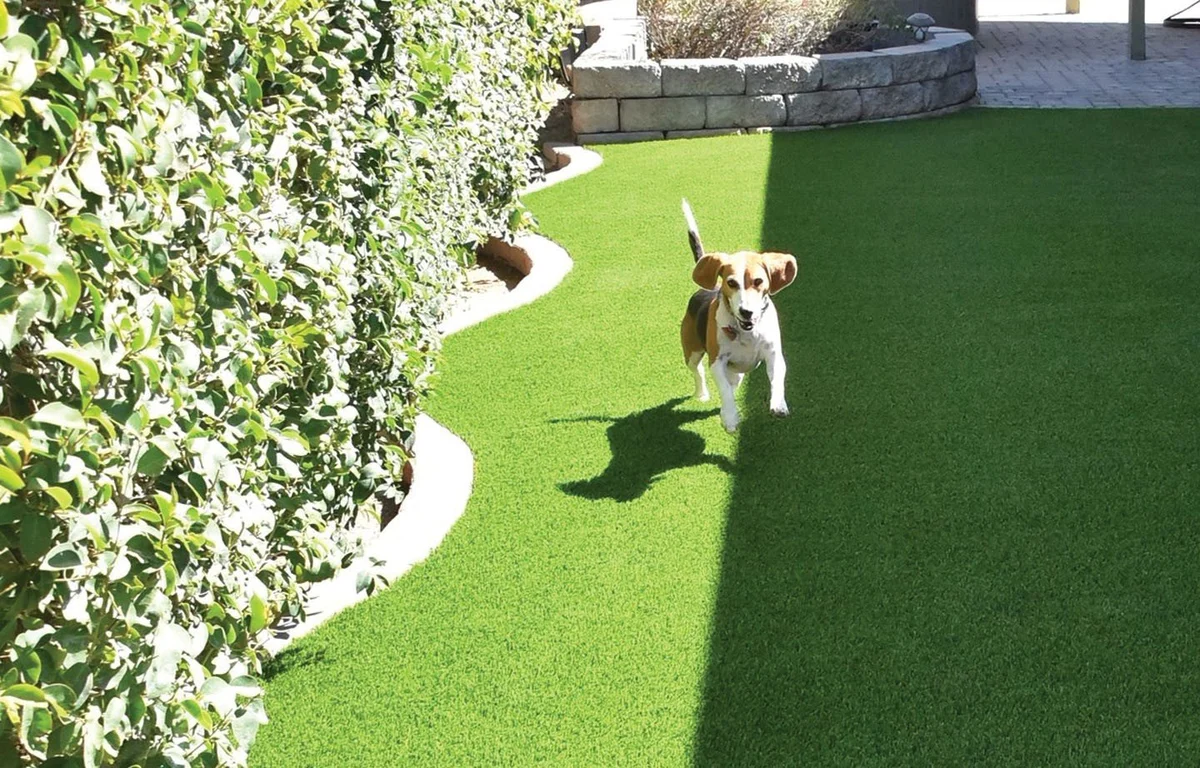
Base correction and drainage preparation for long-term turf performance in Tomball-area soils.
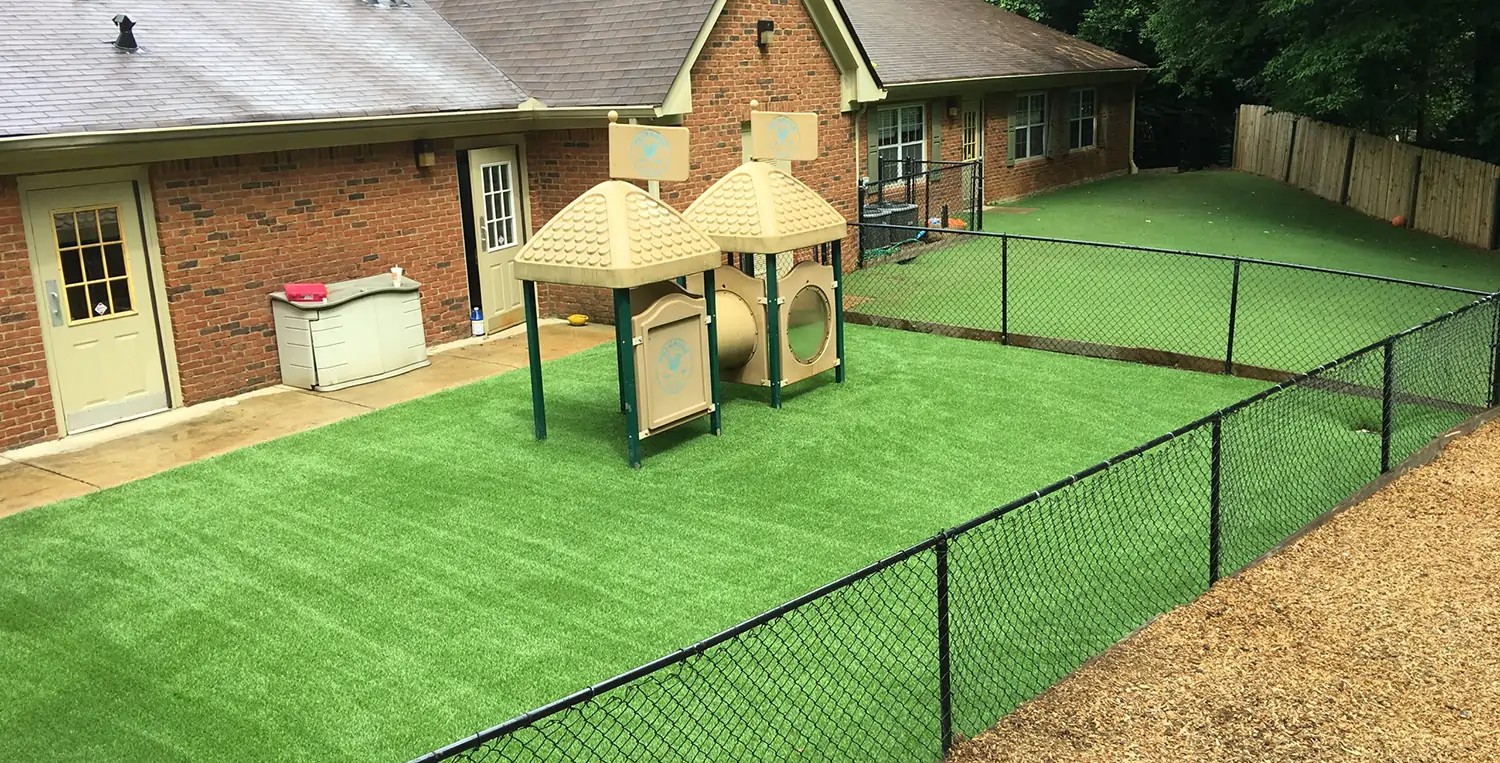
Durable pet turf systems with drainage planning for cleaner and easier outdoor pet areas.
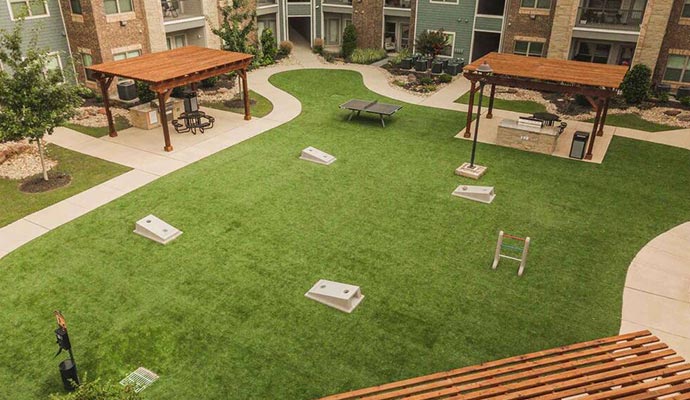
Backyard and front-yard turf systems designed for family use, pets, and low-maintenance living.
We assess the system on-site and give you a direct answer. Seam failures, infill loss, and drainage slowdown are almost always repairable. Turf fiber degradation, backing failure, or widespread base problems often point toward replacement being more cost-effective. We outline both options when replacement is a reasonable consideration.
Drainage slowdown in Tomball turf installations is most commonly caused by organic material accumulation within the infill layer, or by infill compaction that has reduced the porosity of the drainage surface. Both are addressable through cleaning or infill recalibration — they do not typically require base reconstruction unless the base itself has settled and created low spots.
Failed seams are re-prepared by cleaning the seam edge and adjacent backing, applying appropriate adhesive to both sides of the seam, bonding under pressure, and treating the seam face to blend the repair with the surrounding surface. The method is more involved than it looks — simple pressure without adhesive preparation does not create a lasting bond.
In most cases, yes. Persistent odor in pet turf is usually caused by organic accumulation in the infill rather than turf fiber contamination. Deep cleaning, enzyme treatment, and partial or full infill replacement typically resolve odor issues without requiring full turf removal and reinstallation.
Yes. We work with commercial property managers and facility teams in the LSCT and HCA Tomball corridor on scheduled maintenance programs that keep larger turf installations performing at commercial quality standards. Contact us to discuss the scope and frequency appropriate for your property.
Properly executed seam repairs on turf with intact backing and good overall fiber condition should last for several years. On older systems with degraded backing or widespread fiber wear, the repair will hold but the surrounding area may reach end-of-life sooner. We discuss realistic repair longevity expectations during the inspection.
Share your scope priorities and timeline. We will follow up with project recommendations for your property.
Call